Existing source
16,244field photographs196 farms · 3 Nov 2026
A growing field collection
The MyUrbanFarm collection complements ten years of curated field archives.
Private crop-model evaluations
We sell private evaluations of crop growth, plant health and harvest timing for agricultural AI teams. We test a model against reviewed observations and report where it succeeds, where it misses and where the evidence is too thin. Our ten years of raw field data stay in-house.Private tests of crop growth, plant health and harvest timing. Your team receives findings. Our ten years of raw data stay in-house.
First commercial milestone: a paid evaluation with an independent team. No outside customer yet.
Conceptual visualization · no live inference
MicroHabitat has collected field photographs, growing records and horticultural knowledge since 2016. We use this private material to design tests. Each evaluation draws on a dated, reviewed subset that fits the crop and the question.
Explore the model evidence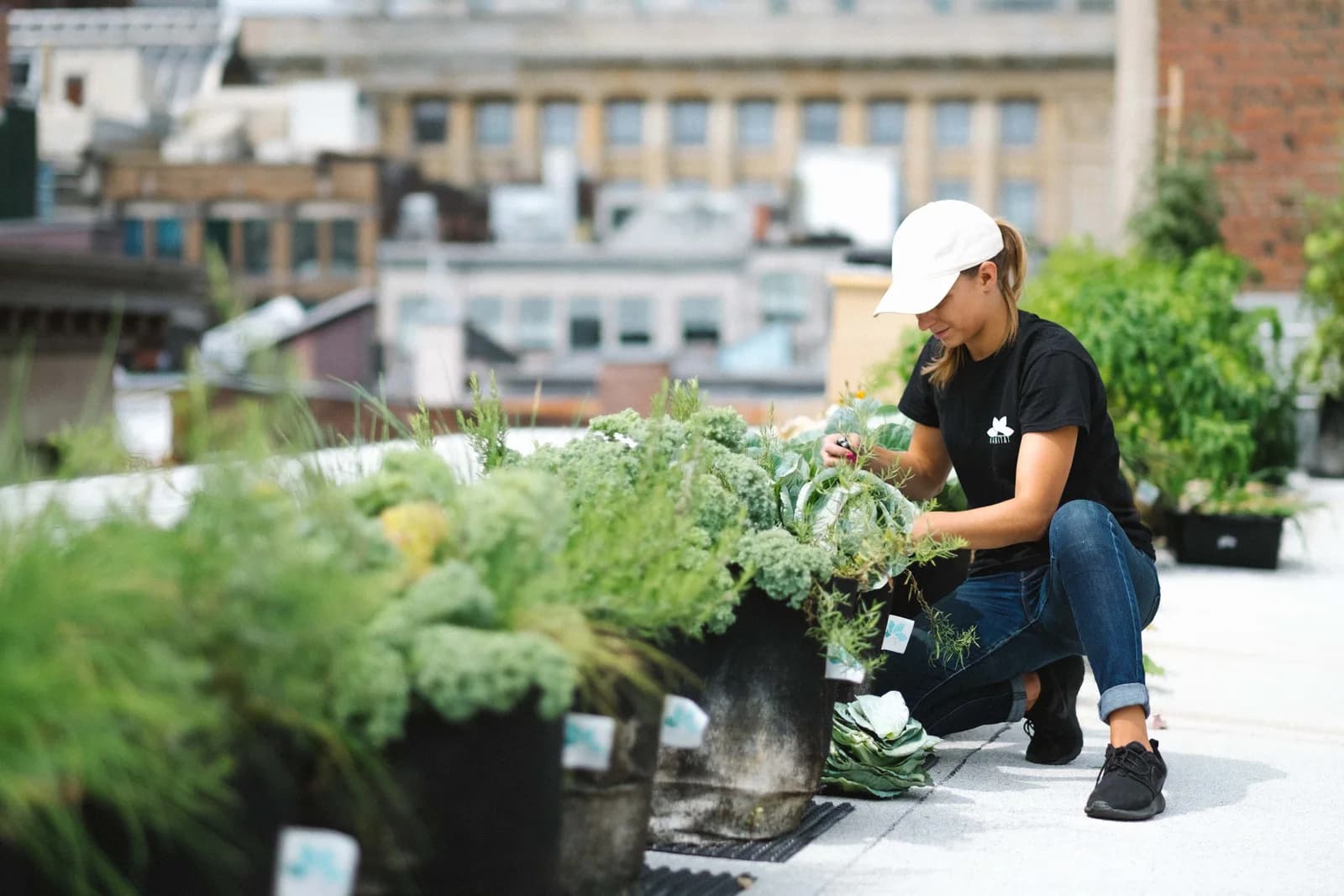
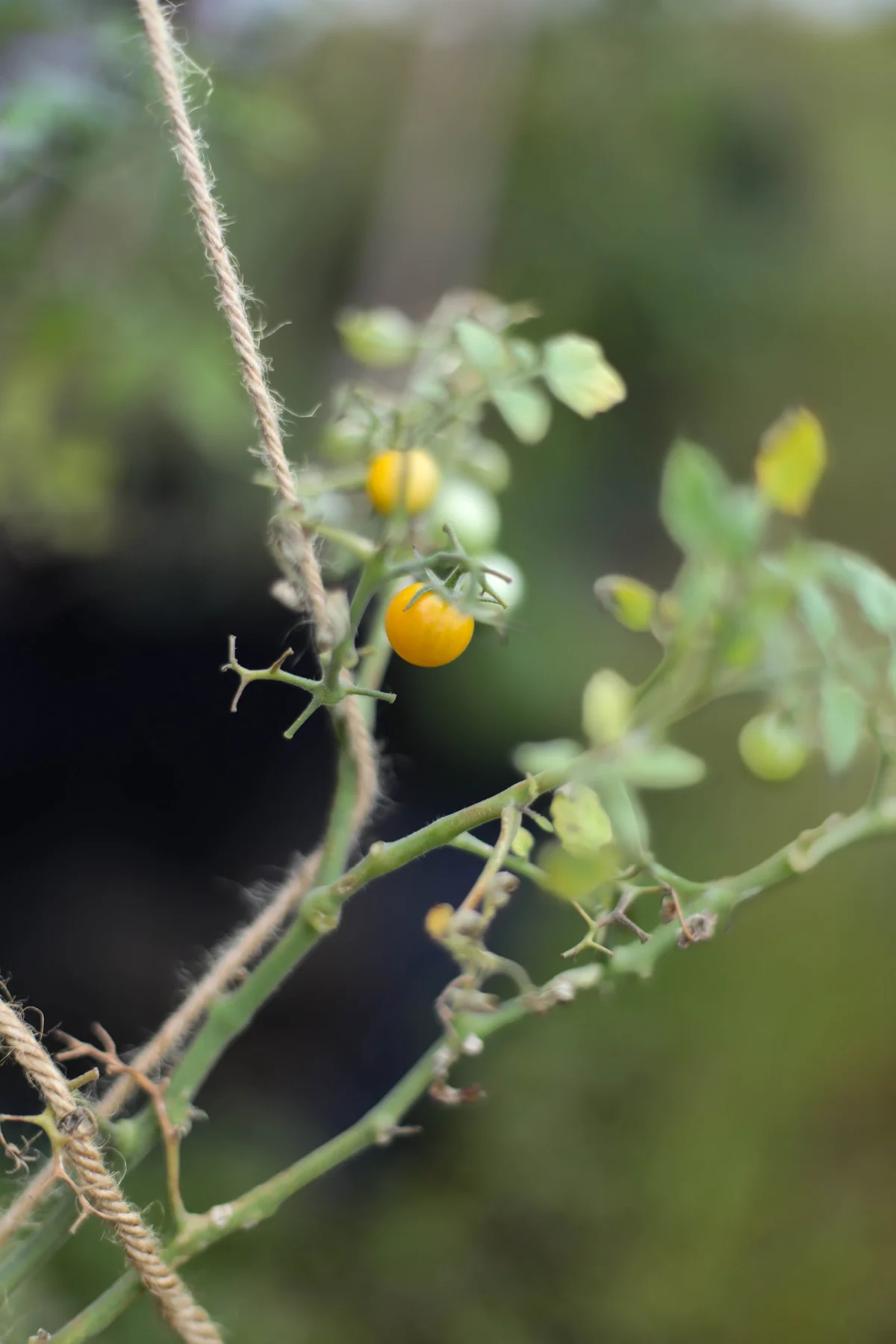
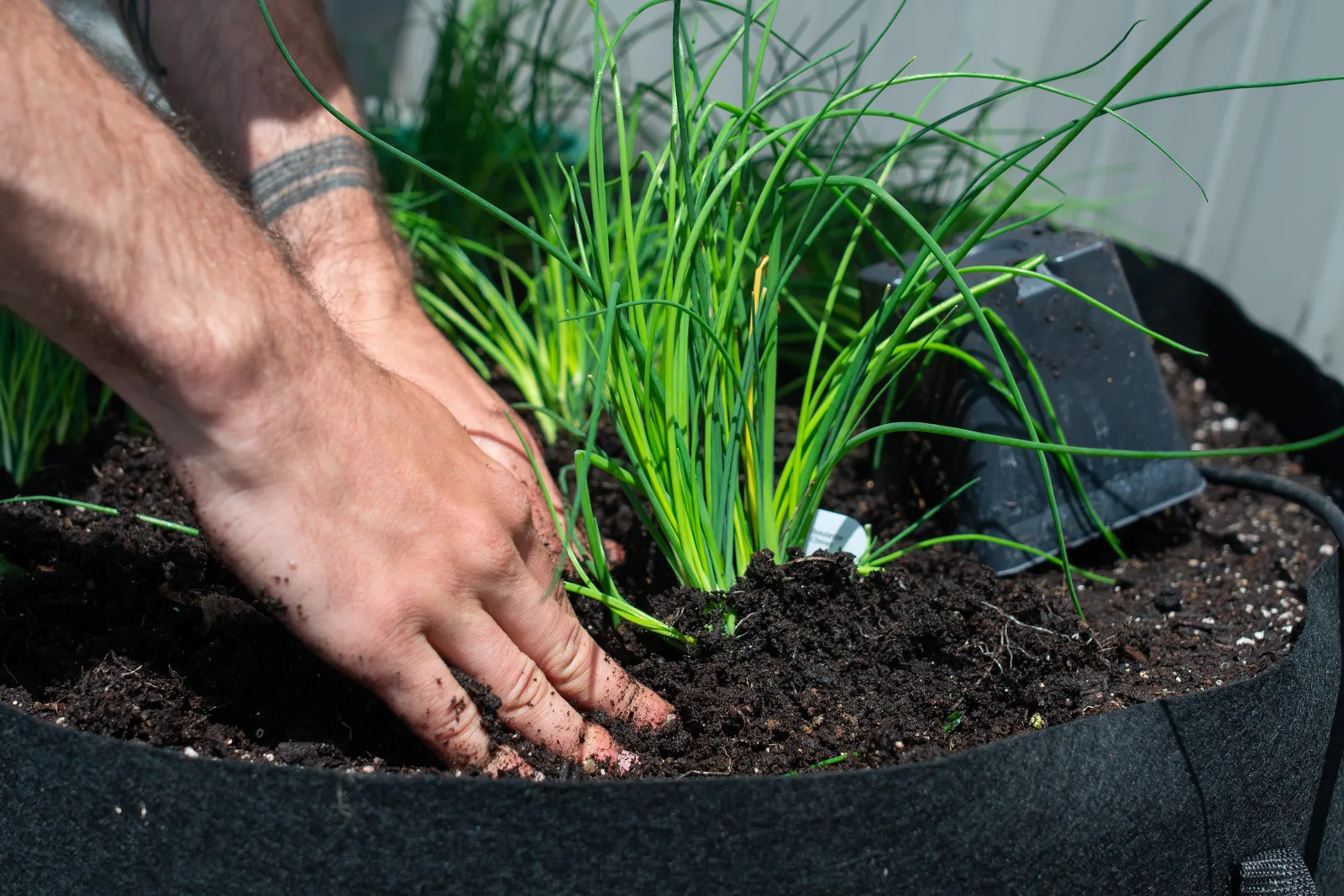
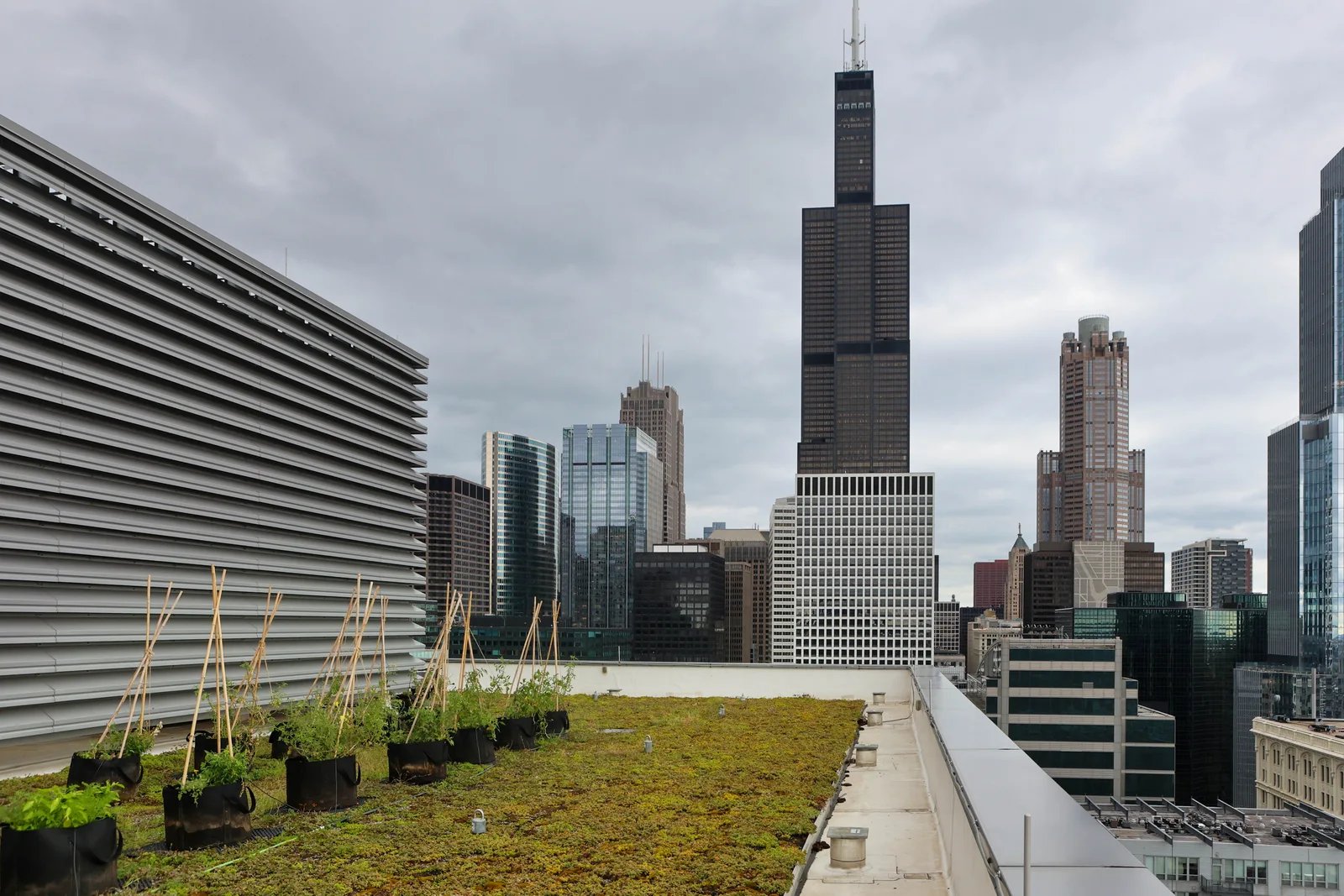
The MyUrbanFarm collection complements ten years of curated field archives.
Link the observed condition, a dated care action and what changed next. Planter identities and sequence links still need verification.
Compare both approaches to find out whether verified history improves predictions. The gain is not yet established.
Archive photographs illustrate the field context. Each model evaluation uses a dated subset. Matched planter sequences are still being verified.
Private evaluation service
A lab might need to choose between two models before deploying one in a greenhouse. We agree on a crop, decision and baseline, then test both models on the same held-out observations inside our private evaluation environment.
The report gives the protocol, aggregate scores, error patterns, uncertainty and coverage limits. A repeat evaluation can test a revised model against the same criteria. We quote each engagement after confirming that the required observations exist.
Tomato · Rooftop D
Synthetic example of the target format. Real planter-level action and outcome sequences are still being assembled.
aphids
aphids, fewer
no problem found
no problem found
leaf scorch
no problem found
no problem found
no problem found
Fictional example · one planter over time
Photograph a planter and record the observed condition.
Attach the care action to that planter, including when no action was taken.
Compare a later observation. Record the change without assuming that the action caused it.
We offer private evaluations to robotics teams. Our next products would let manufacturers license our own crop intelligence and growers buy Farm Bot, the machine designed to put it to work.
Explore our vision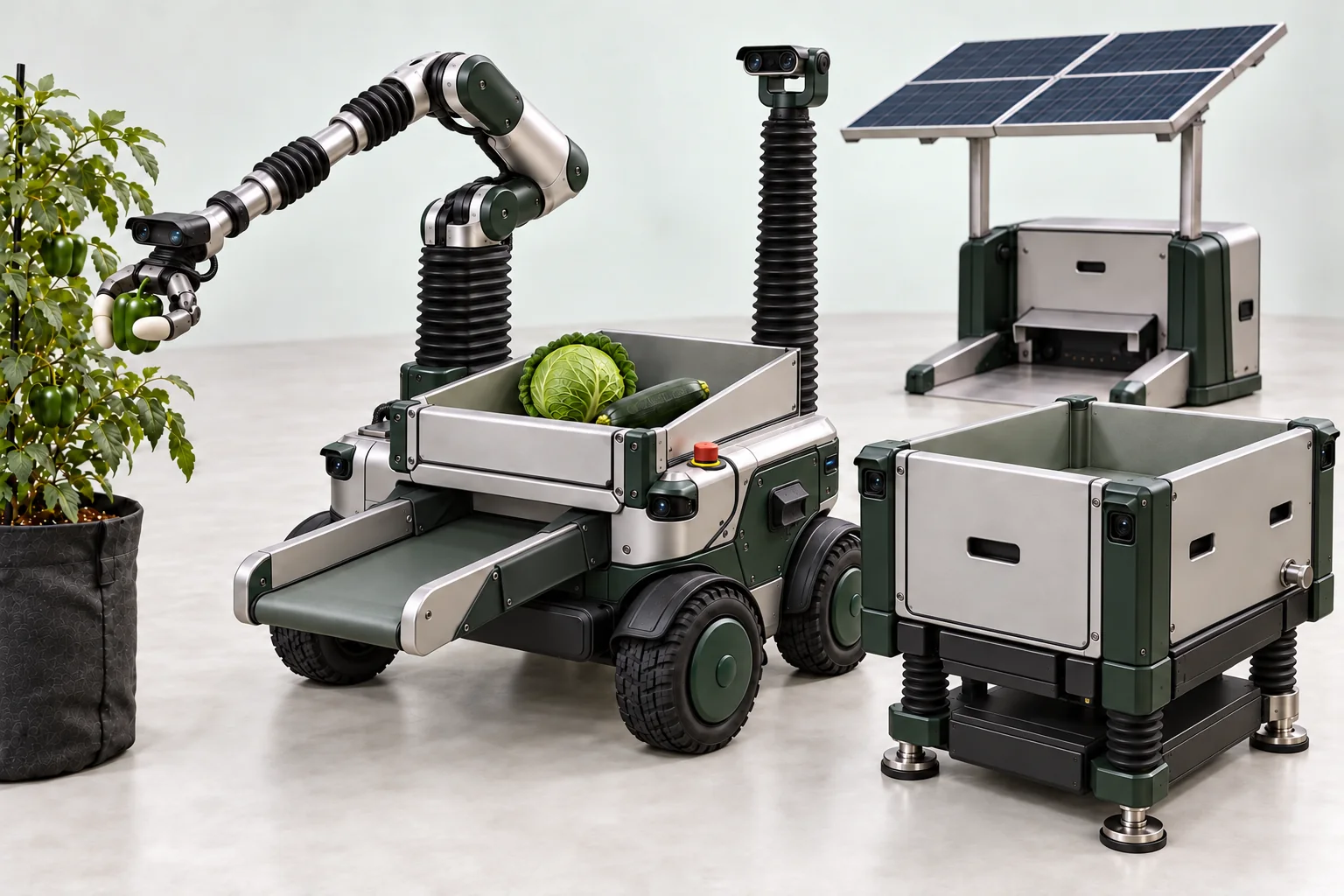
Our model tests the data thesis
46% versus 80% correct problem names on 50 human-judged problem photos from 21 held-out farms, measured 27 October 2026. This is a small, selected sample of photos the hosted model flagged; missed problems are not measured.
This classifier establishes a starting point. Next, we will test whether verified care and follow-up records improve predictions beyond a single image.
Read the benchmarkdevelops crop models and tests how reliably they perform on field observations.
About the companyField roots
The team brings engineering and field experience from MicroHabitat’s network, established in 2016.
Company relationship
MicroHabitat Inc is the intended first related-party customer and minority shareholder.
Next milestone
The next commercial milestone is to work with an independent team on a defined evaluation.